Checking whether a smart lock fits
Check the door and the exact model before buying a smart lock. Physical fit, inside clearance and connected features each need their own review.
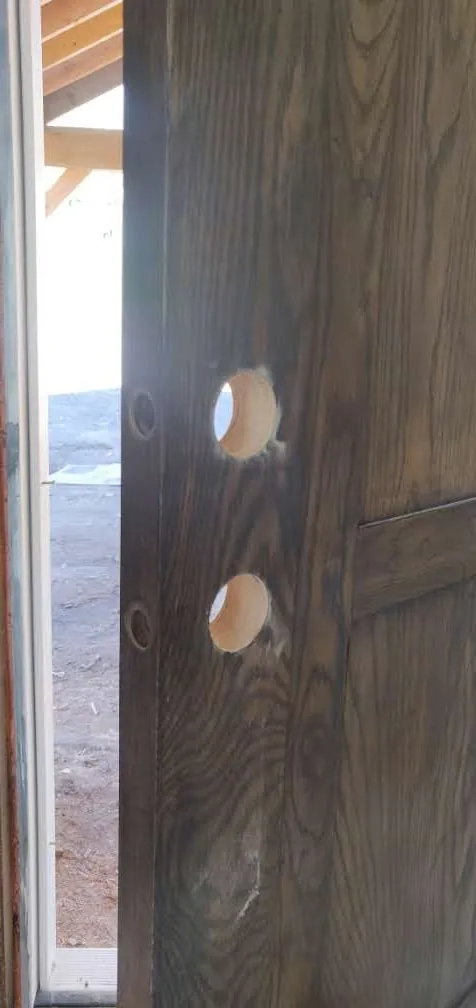
Start with the existing preparation
Record the door material, thickness and current deadbolt or handle arrangement without dismantling the hardware. The bore and backset requirements come from the selected lock’s installation documents; Schlage’s model-specific preparation sheet is one example. Backset is measured from the door edge to the center of the lock preparation. Do not use one brand’s figures for every smart lock; even product families can have different installation requirements and accessory limits.
Check clearance and ordinary door operation
Look for trim, a storm door, another handle or a narrow rail that could interfere with the outside keypad or inside housing. Note the door’s swing and whether it currently closes and locks smoothly. A motorized deadbolt is not a remedy for a door that must be lifted or pushed hard to lock. Alignment and frame condition need attention alongside the new device.
Choose features you can support
Confirm the required app, connected platform, network arrangement and account ownership against the chosen model. Some products replace the entire lock while others retain parts of the existing hardware. Decide whether a physical backup key is needed and who will manage codes. Related preparation includes hardware details and smart lock installation. Keep the packaging until compatibility and function have been checked.
Arrange the next step
Share the proposed model with WVC Locksmith before ordering or altering the door. Include the existing hardware and any fit concerns. We can assess the individual installation request; a product described as universal still needs to match the actual opening and intended use.