Why a lock works with the door open
A lock that operates smoothly with an open door but binds when closed may be meeting resistance at the frame. Report that difference before assuming the cylinder needs replacing.
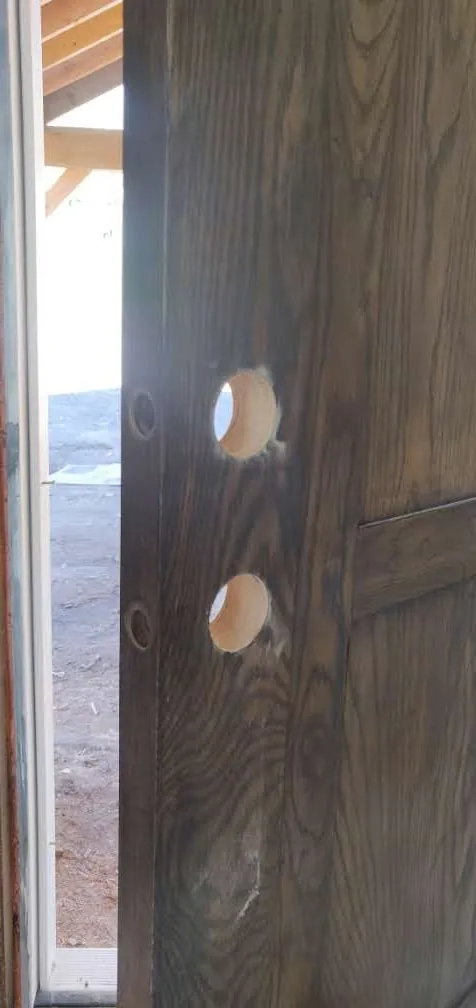
Describe the existing observation
Tell the locksmith whether the key, thumbturn or handle is easier to operate with the door open. Note whether the door rubs, needs pushing to latch or leaves the bolt short of its full travel. If the door is already open, avoid closing it just to repeat the fault. If it is locked shut, do not force it open to create a comparison.
Consider the whole opening
The latch, bolt, strike, hinges, seals and frame all affect how a door closes. A cylinder can be functional while its bolt meets an obstruction. Replacing a key or rekeying the lock will not necessarily remove that resistance. Similarly, a motorized lock needs the door to operate correctly; a connected app cannot compensate for every mechanical problem at the opening.
Avoid adjustments based on a guess
Do not start filing the strike, removing frame material or changing hinge positions before the cause is understood. Those changes can complicate the assessment and affect the finished fit. Describe any recent hardware replacement, door work or impact damage. Ask whether the proposed repair addresses the alignment as well as the lock. For an electronic device, include the model when discussing smart lock work.
Arrange the next step
Request a door-and-lock assessment from WVC Locksmith with the symptoms and location. Mention whether the opening currently secures reliably. The useful goal is a lock that operates in the door’s normal closed position, with the intended latch and bolt functions checked after any work.