What affects deadbolt fit
A deadbolt must suit the door preparation and meet its strike correctly. Check the existing opening before choosing a replacement or adding a new bolt.
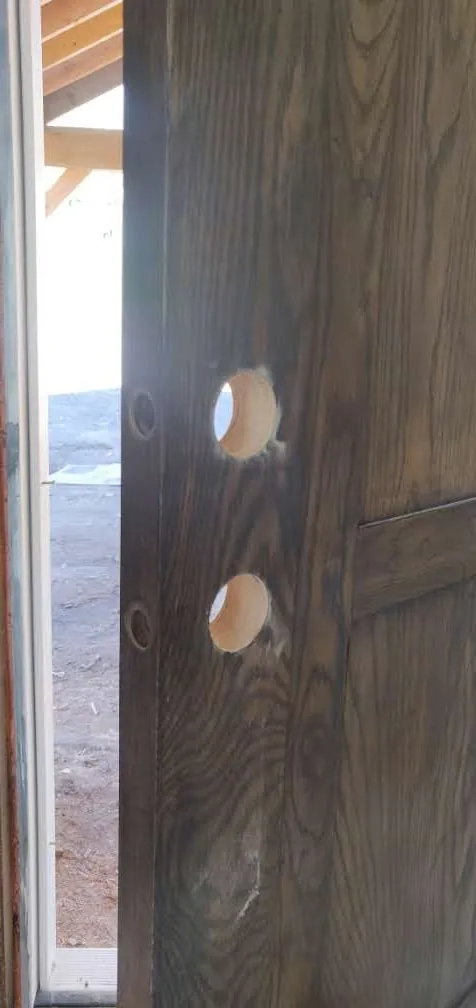
Identify the starting condition
Are you replacing a deadbolt, adding one to a door without it or changing a combined handle set? Existing holes, edge preparation and door thickness affect the work. Keep the exact product model if you have selected hardware. A new deadbolt can have different preparation requirements from the old one, even if both have a similar round outside face.
Look beyond the visible lock
The bolt needs enough appropriate space at the strike and should operate without forcing the door. Mention damage, splitting, unusual trim, nearby glass or a metal frame before the appointment. Also explain whether the door rubs or needs pushing to close. Replacing the cylinder or adding a longer-looking bolt does not by itself establish that the entire opening is suitable.
Discuss function and authorization
The person responsible for the property should agree on the inside operation and any relevant building requirements. For rentals or shared openings, obtain authorization before changing hardware or drilling. Do not use a generic online measurement as approval to cut a door. Compare deadbolt installation with replacement service and describe whether the original issue is access, damage or a desired upgrade. That helps keep the work aligned with the actual goal.
Arrange the next step
Ask WVC Locksmith to assess the door with the current hardware, material and planned change. Confirm whether the proposed lock fits the existing preparation and whether additional work is required before authorizing installation. Keep purchased parts and documentation available for the fit check.